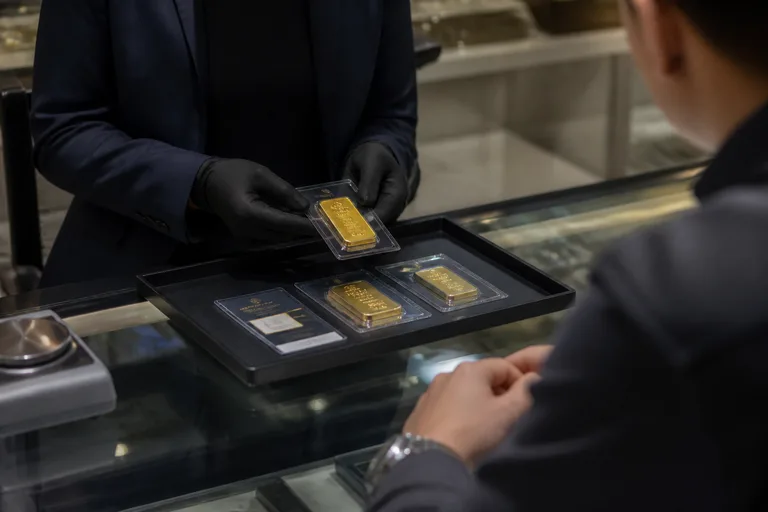
How Dealers Check Gold Authenticity Without Scratching or Opening the Packaging
Checking the authenticity of gold and genuine silver is an important step in precious metals transactions. For professional dealers, verification is not just an administrative formality. It is part of protecting value, managing risk, and maintaining customer trust.
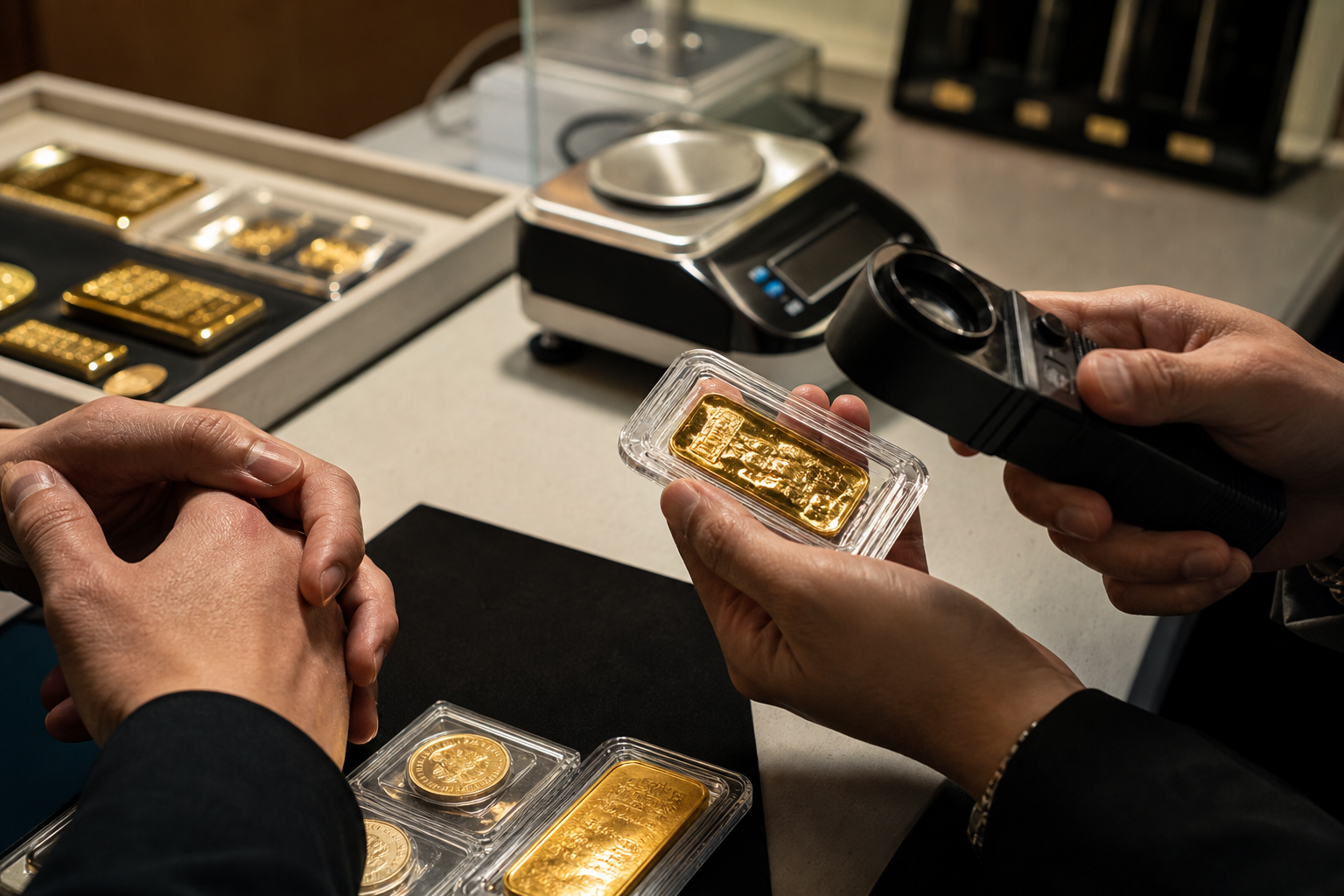
The good news is that modern verification does not always have to damage the product. Today, there are non-destructive approaches that allow dealers to inspect coins or bars without scratching, cutting, melting, or carelessly opening the packaging. One tool often discussed in this context is the Sigma Metalytics Precious Metal Verifier.
This article explains, in simple terms, how modern precious metals verification works, why non-destructive methods matter, and why checks should be carried out before both sales and buyback transactions.
Why does gold authenticity need to be verified?
The bullion market always requires verification because physical products can be counterfeited in various ways. Common risks include:
- plating a fake metal with a thin layer of gold or silver,
- using alloy mixtures that resemble the color and weight of genuine metal,
- placing a different metal core inside a product with dimensions close to the original,
- manipulating a product so it appears to be an official coin or bar.
Because the physical appearance can be very convincing, professional dealers cannot rely on looks alone. They usually combine several checks at once: weight, dimensions, physical condition, packaging, certificates where available, and non-destructive testing.
What is non-destructive verification?
Non-destructive verification is an inspection method that does not damage the item being tested. In the context of precious metals, this means the product remains intact and suitable for resale after the checking process.
This method is important for:
- preserving the condition of coins and bars,
- maintaining a product’s collectible value or premium,
- making the buyback process easier,
- reducing the risk of complaints caused by test methods that leave marks.
In professional bullion market practice, non-destructive testing is often combined with precision weighing and physical measurement. In other words, one tool does not stand alone as the sole deciding factor.
How the Sigma Metalytics Precious Metal Verifier works in simple terms
In simple terms, the Sigma Metalytics Precious Metal Verifier works by reading the resistivity or electrical response of the metal being tested. Each metal has different electrical characteristics. Gold, silver, and various alloys have response “profiles” that can be compared with the expected profile for a particular product type.
The process can be understood like this:
- The device is placed against or near the metal sample.
- The device sends a measurement signal.
- The electrical response from the sample is read.
- The result is compared with the metal profile selected on the device.
- If the response matches, the product is considered consistent with the metal it is supposed to be.
In this way, dealers can check whether a sample aligns with the characteristics of genuine gold or genuine silver without damaging the product.
Why does this tool not damage the product?
The main advantage of tools like Sigma Metalytics is that they are non-destructive and chemical-free. This means:
- no scratching is needed,
- no cutting is needed,
- no heating is needed,
- no dissolving is needed,
- no test marks are left behind, unlike some traditional methods.
This is why the tool is suitable for coins and bars whose physical condition needs to be preserved. For retail bullion customers, this matters greatly because the product can still be stored, resold, or brought into another transaction without damage caused by the verification process.
Why are weight and dimension checks still important?
Although modern verification tools are very helpful, professional dealers do not rely on a single method. Weight and dimension checks remain relevant because counterfeiters may be able to adjust one aspect, but they cannot always imitate everything at once.
A sound practice usually includes:
- weight: making sure it matches the specifications,
- dimensions: checking diameter, length, and thickness,
- physical appearance: inspecting minting details, edges, and surfaces,
- packaging: checking seals, capsules, or blister packs,
- non-destructive tools: strengthening the inspection results.
Combining several layers of verification makes the process more accurate and safer.
Why is verification important before selling and buyback?
Many people assume verification is only needed when buying. In fact, before both sales and buyback transactions, inspection remains important.
When buying
Customers want to be confident that the item they are purchasing matches its description. Verification helps reduce the risk of receiving a product that does not match, whether in terms of metal, weight, or physical condition.
During buyback
Dealers also need to make sure the item they are buying back truly matches the specifications. This protects dealers from losses caused by counterfeit items or products that have been modified.
For both parties
Clear verification makes the transaction process more transparent. Customers understand how an item is assessed, while dealers have a strong basis for accepting or rejecting it.
Elzan Gold as an example of a transparency-focused approach
In the context of retail bullion services, Elzan Gold can be understood as an example of a dealer that emphasizes product curation, daily pricing, and orderly transactions. From an educational perspective, this kind of approach matters because customers need a clear experience from the start: what products are being sold, how their value is determined, and how the inspection procedure works.
What is most relevant to discuss is not brand promotion, but the underlying principles:
- structured product information,
- a transaction flow that is easy to understand,
- inspections that prioritize customer security,
- verification carried out before the transaction is completed.
This kind of approach reflects good professional dealer practice: transparent, careful, and not rushed when assessing the authenticity of precious metals.
When is Sigma Metalytics most useful?
Tools like Sigma Metalytics are very useful when dealers need a fast inspection that does not damage the product. Examples include:
- checking bullion coins,
- inspecting small to medium-sized bars,
- validating items during buyback,
- performing initial screening before further inspection.
However, it is important to remember that this tool works best as part of a comprehensive verification process, not as the only step.
What are the limitations?
Like any tool, non-destructive verification has limits. That is why professional dealers usually still consider:
- the type of product,
- the item’s size and shape,
- the level of counterfeiting risk,
- the results of visual and physical inspection,
- the needs of the transaction being carried out.
For certain products, other methods such as ultrasonic testing may also be used within a broader non-destructive verification ecosystem. The key point is that methods are chosen based on need, not simply because one tool is assumed to be sufficient for every case.
Conclusion
Modern verification of gold and silver authenticity does not have to damage the product. With tools such as the Sigma Metalytics Precious Metal Verifier, dealers can read a metal’s electrical response and compare it with the expected profile, then reinforce the result with checks on weight, dimensions, and physical condition.
For retail bullion customers, this means the buying and buyback process can be safer, more transparent, and more comfortable. For dealers, this approach helps maintain business integrity while protecting all parties from the risk of counterfeiting.
Ultimately, checking the authenticity of gold is not about excessive suspicion. It is a professional practice to ensure that the metal changing hands truly matches what was promised.
References
- Sigma Metalytics (2026). Sigma Metalytics menjelaskan Precious Metal Verifier sebagai alat verifikasi cepat dan non-destruktif. Mendukung penjelasan teknis utama artikel: dealer dapat memeriksa konsistensi material tanpa menggores, memotong, melelehkan, atau memakai cairan uji yang merusak produk.
- Sigma Metalytics / Sigma Verifiers (2026). FAQ Sigma Metalytics: alat bekerja dengan mengukur resistivitas logam. Memberi dasar sederhana untuk menjelaskan cara kerja Sigma Metalytics kepada pembaca awam: alat membaca respons listrik material, lalu membandingkannya dengan profil logam yang dipilih.
- London Bullion Market Association (2026). LBMA Physical Market Guidelines membahas praktik penimbangan dan pengujian non-destruktif. Meningkatkan kredibilitas artikel dengan menunjukkan bahwa pengujian non-destruktif dan penimbangan presisi merupakan bagian dari praktik pasar bullion profesional.
- London Bullion Market Association (2026). LBMA membahas risiko pemalsuan logam mulia dan pentingnya keamanan serta traceability. Menguatkan argumen edukatif bahwa proses verifikasi bukan sekadar formalitas, melainkan bagian dari manajemen risiko dan perlindungan nilai dalam transaksi fisik.
- London Bullion Market Association (2026). LBMA menjelaskan penggunaan ultrasonic testing untuk mendeteksi material asing pada bar emas. Membantu menjelaskan batas dan konteks: dealer profesional dapat memakai beberapa metode verifikasi sesuai bentuk produk, ukuran, risiko, dan kebutuhan transaksi.
- Elzan Gold (2026). Elzan Gold memosisikan diri sebagai platform jual-beli bullion dengan katalog terkurasi dan harga harian. Memberi dasar publik untuk menyebut Elzan Gold sebagai studi kasus layanan bullion, tetapi klaim tentang penggunaan alat, prosedur internal, atau hasil verifikasi tetap harus ditulis hati-hati kecuali dikonfirmasi langsung oleh Elzan Gold.