Pure silver has a distinctive appeal: a bright color, a clean appearance, and an elegant feel even in simple forms. But after being stored or worn for some time, its surface can become dull, yellowish, grayish, or even blackened. This often worries silver owners, even though this color change is a natural process in silver and not a sign of poor quality.
Silver is different from metals that appear consistently stable on the surface. It reacts with its surroundings, especially humid air, sulfur compounds, sweat, perfume, lotion, soap, and chemical residues from daily activities. This reaction forms a thin layer on the surface of the silver, reducing its shine and making the color look darker.
That is why caring for silver is not simply a matter of “cleaning it until it shines.” What matters more is cleaning it gently, avoiding overly harsh materials, and storing it properly. Pure silver tends to be softer than many other metals, so rough handling can leave fine scratches that gradually make the surface look cloudy.
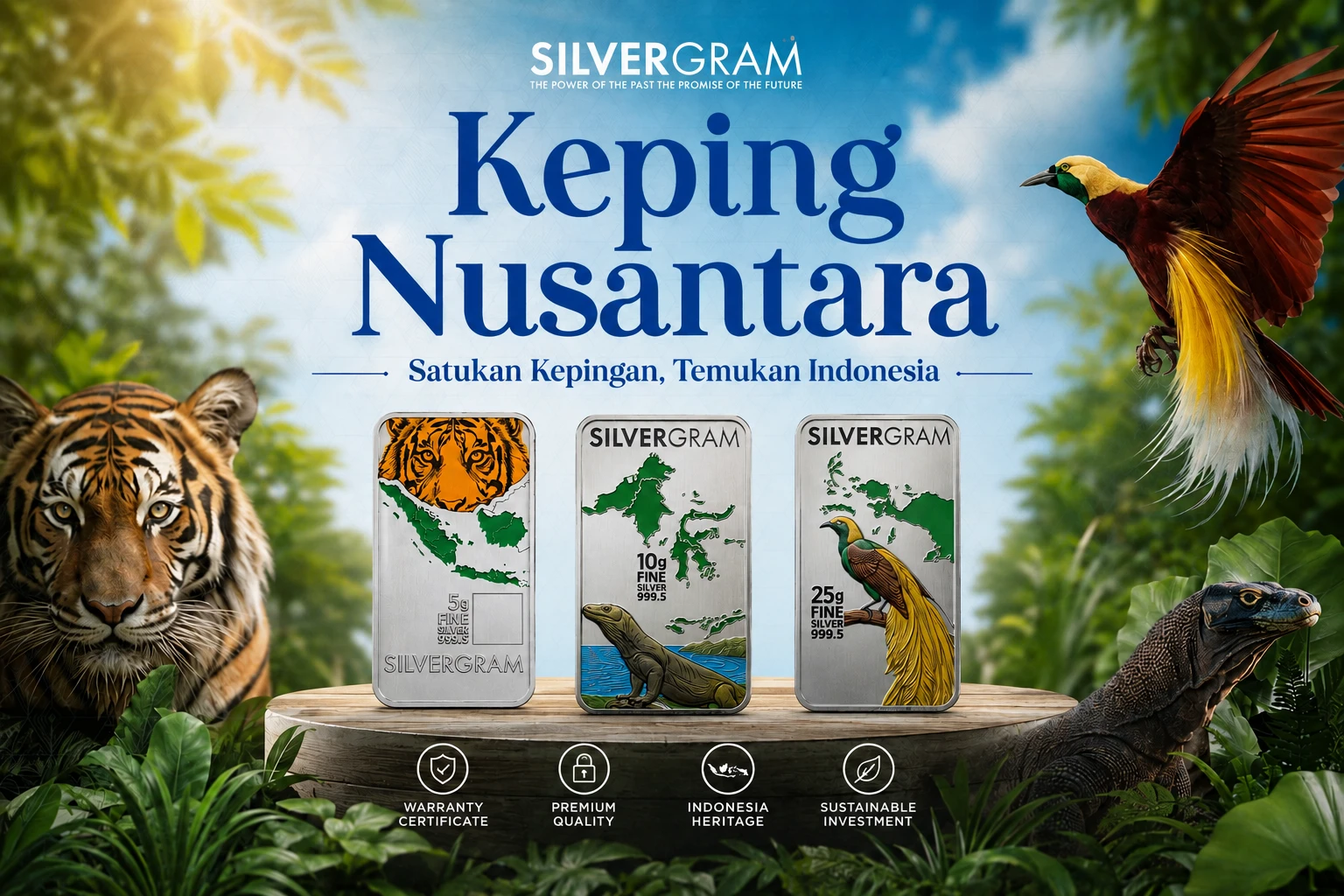
This guide can be used for various forms of pure silver, from jewelry, coins, and small bars to silvergram products that are usually kept as collectibles or physical assets. The basic principles are the same: minimize exposure to causes of tarnish, clean with safe materials, and avoid too many risky home-cleaning experiments.
Why does silver turn black even when rarely used?
Many people assume that silver stored in a box will always stay shiny. In reality, silver can still change color even when it is rarely touched. Indoor air still carries moisture and certain particles, especially if the storage area is near a bathroom, kitchen, coastal area, or a room with poor air circulation.
One of the most common causes is contact with sulfur compounds. These compounds can come from the air, certain types of rubber, unsuitable packaging materials, eggs, onions, smoke, pollution, or some fabrics and papers. When silver comes into contact with sulfur, a dark layer forms on its surface. This layer is commonly known as tarnish.
Sweat can also speed up discoloration, especially if the silver is often worn as jewelry. Everyone’s sweat has a different composition. For some people, silver tarnishes more quickly because their sweat is more acidic, contains more moisture, or mixes with body-care products such as sunscreen, perfume, hair spray, and lotion.
For silver owners in humid areas such as Bali, storage becomes even more important. Humid air can make tarnishing happen faster, especially if the silver is stored without a cover, placed together with other objects, or frequently exposed to leftover water after cleaning. This does not mean the silver is bad; it simply means the surrounding environment is accelerating the natural reaction on the metal’s surface.
One important thing to understand from the start: blackened silver is not proof that the silver is fake or low quality. Genuine silver can change color precisely because of its chemical nature. The difference lies in how it is cleaned and cared for, not in expecting silver to never change color at all.
Cleaning silver safely at home
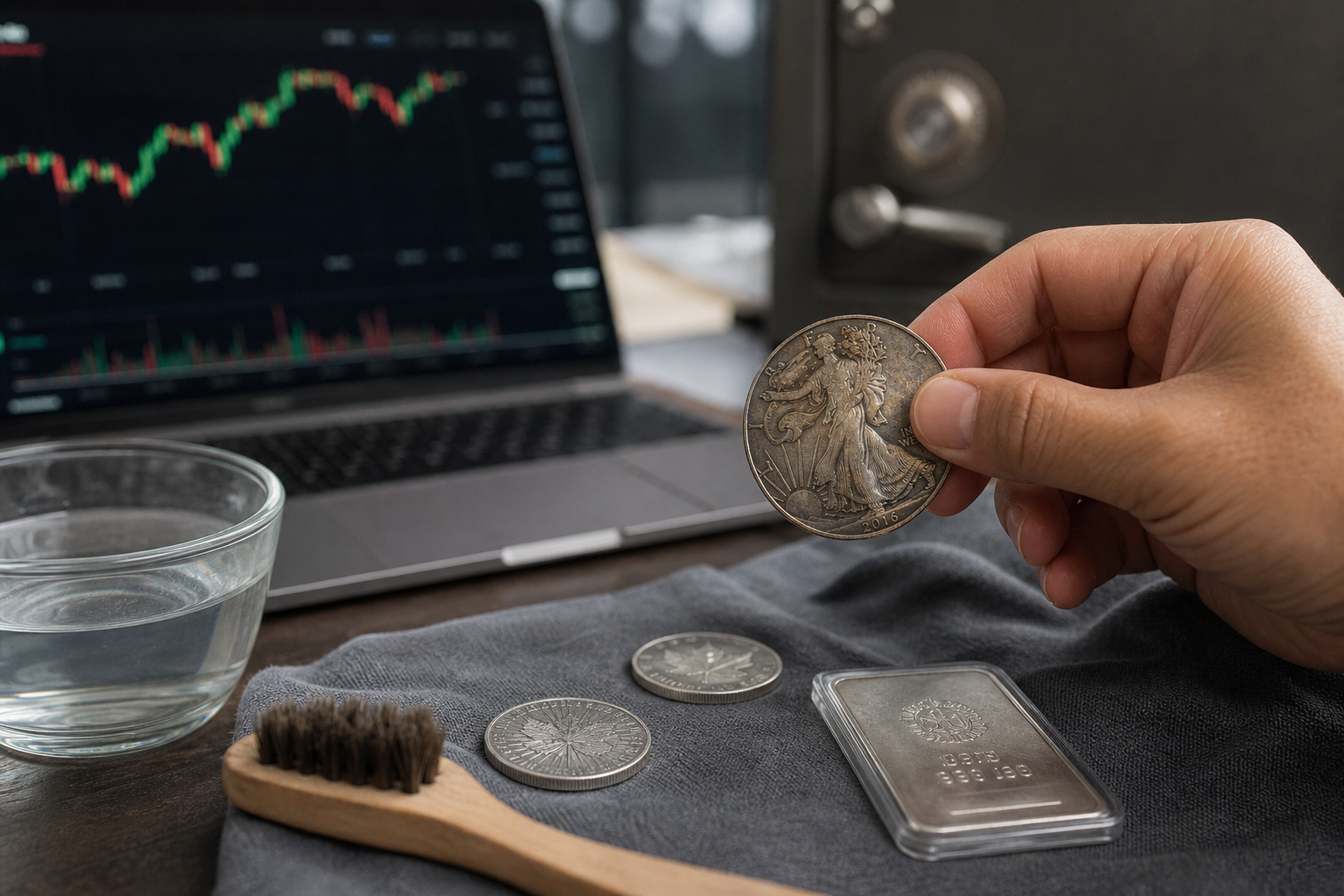
The safest approach starts with the gentlest method. If the silver is only dusty or slightly dull, use a clean, dry microfiber cloth. Wipe slowly in the direction of the surface; do not rub too hard. For pure silver in bar or silvergram form, holding the edges and avoiding direct contact with the main surface can help keep its appearance neat.
If there are light stains from hand oils or sweat, use lukewarm water and a small amount of mild liquid soap. Choose a soap that does not contain bleach, scrub particles, or an overly strong fragrance. Soak it only briefly, then wipe gently with your fingers or a very soft cloth. After that, rinse with clean water and dry immediately until no water remains.
The drying step is often underestimated, even though it is very important. Water left in engraved areas, edges, or opened packaging can leave spots and speed up tarnishing. Use a soft cloth that absorbs water well, then let the silver air-dry briefly before storing it. Do not store silver while it is still damp just because the surface looks dry enough.
For more visible tarnish, a dedicated silver-cleaning cloth can be an option. This type of cloth usually contains a mild polishing agent designed for silver. Use it sparingly; it does not need to be used every day, because polishing still involves friction on the surface. For pure silver whose collectible value you want to preserve, less friction is usually better.
Silver-cleaning solutions can also be used, but with extra care. Read the instructions, do not soak the item for too long, and make sure the product is truly intended for silver. If the silver has stones, a special coating, antique details, or a specific finish, it is better to avoid dip-cleaning solutions without consulting someone knowledgeable. Cleaning too aggressively can alter the surface appearance, especially on areas intentionally made matte, textured, or given a decorative patina.
There are also home methods using aluminum foil, hot water, salt, or baking soda. These methods are often discussed because they can lift dark stains through a chemical reaction. However, they are not always suitable for every type of silver. For collectible silver, silver with detailed layers, or products whose original appearance you want to preserve, these methods should not be the first choice.
If you want to try a home method, do it only on plain silver that has no stones, paint, adhesive, additional coating, or special collectible value. Do not use boiling water carelessly, do not soak for too long, and do not repeat the process again and again. When in doubt, the safest choice remains a silver-cleaning cloth or help from someone who understands the nature of silver.
The most common mistake is using toothpaste. Many people assume toothpaste is safe because it is often used to clean small objects. In fact, some toothpastes contain abrasive particles that can cause micro-scratches. These scratches may not be visible right away, but over time they can cause the silver surface to lose its soft shine.
Other materials that should be avoided include laundry bleach, floor-cleaning liquids, harsh alcohol, all-purpose cleaners, excessive use of vinegar, and rough brushes. Silver is not a kitchen surface that can be scrubbed hard until clean. The harsher the material and tool, the greater the risk that the surface will become permanently dull from scratches, not merely covered by stains.
For silver jewelry, make it a habit to remove it before swimming, bathing, washing dishes, doing intense exercise, or applying perfume and lotion. Chlorine in swimming pools, soap, and body-care ingredients can accelerate discoloration. The practical rule is simple: put silver on last after body products have absorbed, and take it off first before activities involving a lot of water or sweat.
For silvergram products or pure silver in coin and bar form, care is more about how you handle and store them. Avoid opening protective packaging unless necessary. If you must handle the silver directly, make sure your hands are clean and dry, or use cloth gloves. Fingerprints left for too long can leave marks that are difficult to clean without polishing the surface.
Long-term storage should be in a dry, cool place with minimal temperature changes. Use small storage-safe zip bags, soft fabric pouches, or a dedicated jewelry box. Separate each item so they do not rub against one another. Silver stacked with other metals can scratch easily, especially if it is moved often.
Silica gel can help reduce moisture inside a storage box. This is especially useful in humid climates. However, silica gel also needs to be replaced or re-dried depending on the type, because a moisture absorber that is already saturated will no longer work optimally. Do not place silver in direct sunlight or near a heat source.
Avoid storing silver together with rubber bands, newspaper, random cardboard, or materials with a strong smell. Some packaging materials can accelerate tarnishing because they contain certain compounds. If you buy pure silver in official packaging or a protective capsule, keeping the packaging intact is often the best step, especially for products that are stored more often than used.
A care routine does not need to be complicated. For silver that is worn often, wipe it lightly after use so sweat and oils do not build up. For stored silver, check its condition from time to time and make sure the storage area stays dry. If it starts to look dull, clean it gradually starting from the gentlest method before moving to a stronger one.
What should be avoided is the urge to make silver look brand new all the time by polishing it too often. Shine can indeed be restored, but excessive polishing can slowly wear down the surface. With pure silver, preserving the surface condition is often more important than chasing maximum shine at every moment.
Color changes in silver should be seen as a normal part of owning this metal. Just as skin needs care to stay in good condition, silver also needs the right storage environment and wearing habits. Tarnish can be cleaned, but scratches caused by the wrong cleaning method are far harder to repair.
If the silver has become very black, has uneven stains, or is an item with sentimental or collectible value, do not rush to try many cleaning materials at once. Combining various cleaning methods can make the results unpredictable. It is safer to stop, clean off any remaining substances, dry the item, and ask for advice from the seller or someone who understands silver care.
For new owners, the key to caring for pure silver is actually simple: touch it only as needed, clean it gently, dry it thoroughly, and store it separately in a place that is not humid. If these four things are done consistently, silver will stay shiny for longer and its surface will remain well preserved.
Elzan Gold provides quality pure silver products, including options suitable for collections and personal storage. In addition to helping customers choose silver products that fit their needs, Elzan Gold is also ready to provide simple guidance on how to care for silver so owners feel more confident maintaining its shine, cleanliness, and surface condition over the long term.