Bullion Packaging Is More Than Just Plastic: What Does It Do When You Buy and Sell Back?
When buying bullion, many people focus on purity, weight, and price. Yet there is another element that often shapes the experience of owning bullion: its packaging.
For some buyers, packaging may look like an accessory. In practice, however, bullion packaging can serve several functions:
- protecting the product from scratches, dust, and direct handling,
- documenting product identity,
- supporting authenticity verification,
- and, for certain products, helping make the buyback process smoother.
But it is also important to understand one thing: packaging is not the only determinant of bullion authenticity or value. Not all bullion comes with a sealed assay card, and bullion without a particular type of packaging is not automatically problematic. The packaging format should be viewed in line with the product type, issuer, and each party’s buyback policy.
Why does bullion packaging matter?
Bullion packaging has a more practical role than simply improving presentation. In the context of gold and silver, packaging helps preserve the product’s condition from the time it leaves the producer until it changes hands.
1. Protecting physical condition
Bullion is a precious metal product whose value is closely linked to its physical condition and the traceability of its identity. Packaging such as a blister pack, capsule, or assay card can help reduce the risk of:
- scratches on the surface,
- fingerprint marks,
- contamination from dust or moisture,
- and minor damage caused by storage or handling.
For certain coins or bars, packaging also helps keep the product looking neat. This matters especially if the buyer wants to maintain the product’s condition as much as possible.
2. Helping document the product
For many bullion products, packaging is not only protective but also carries information. It may show:
- weight,
- purity,
- serial number,
- the producer’s logo or name,
- and certain authentication elements.
This type of documentation makes it easier for buyers to match the physical product with the promised specifications.
3. Making authenticity checks easier
For certain products, packaging is indeed designed as part of the verification system. For example, some producers include security features on the packaging, such as a serial number that matches the number on the bar, or visual elements that can be checked using a specific tool or app.
However, it is worth remembering: authenticity verification does not stop at the packaging. Buyers still need to consider the source of purchase, the seller’s reputation, the product specifications, and the consistency of the bullion’s physical characteristics.
The difference between an assay card, capsule, serial number, and authentication features
Bullion packaging terms are often used interchangeably, even though they serve different functions. Here is a simple overview.
Assay card
An assay card is a packaging card that is usually integrated with a bar or ingot and contains important information such as weight, purity, and product identity. For some products, the assay card also functions as a packaged certificate.
Its advantages include:
- helping protect the bar from direct handling,
- making it easier for buyers to keep product information,
- and, for certain products, forming part of the authentication system.
However, not all bullion comes in an assay card. Some products use other formats, such as blister packaging, capsules, or other security packaging.
Capsule
A capsule is typically a hard plastic container that protects a coin or another bullion product. Its function is mainly physical: keeping the surface safe from scratches, dust, and direct contact.
Capsules are commonly used for bullion coins and some collectible products. In this category, a capsule focuses more on preserving condition than serving as an identity certificate.
Serial number
A serial number is a unique number used to distinguish one product from another. It may be printed on the bar, the packaging, or both.
Its role is important because it:
- helps with product traceability,
- makes it easier to match data with the certificate or packaging,
- and strengthens documentation at the time of purchase and resale.
In more standardized bullion markets, physical identifiers such as serial numbers, assay marks, and fineness are also part of the specifications that support market confidence.
Authentication features such as CertiEye
Some producers add digital authentication features to help consumers check their products. For example, certain products from ANTAM Logam Mulia include CertiCard and CertiEye, which allow verification through CertiCode scanning, along with additional security features such as a UV watermark.
Features like these are useful because they:
- help check whether the product data matches,
- add an extra layer of verification,
- and make it easier for buyers to perform their own checks.
Even so, these authentication features are tools, not a substitute for caution when buying.
Must bullion always have a sealed assay card?
Not always.
This is an important point that is often misunderstood. Bullion packaging formats vary depending on the producer, product type, and sales channel. Some bullion does come in a sealed assay card or sealed security packaging. Others use capsules, blister packs, or even formats without specific retail packaging.
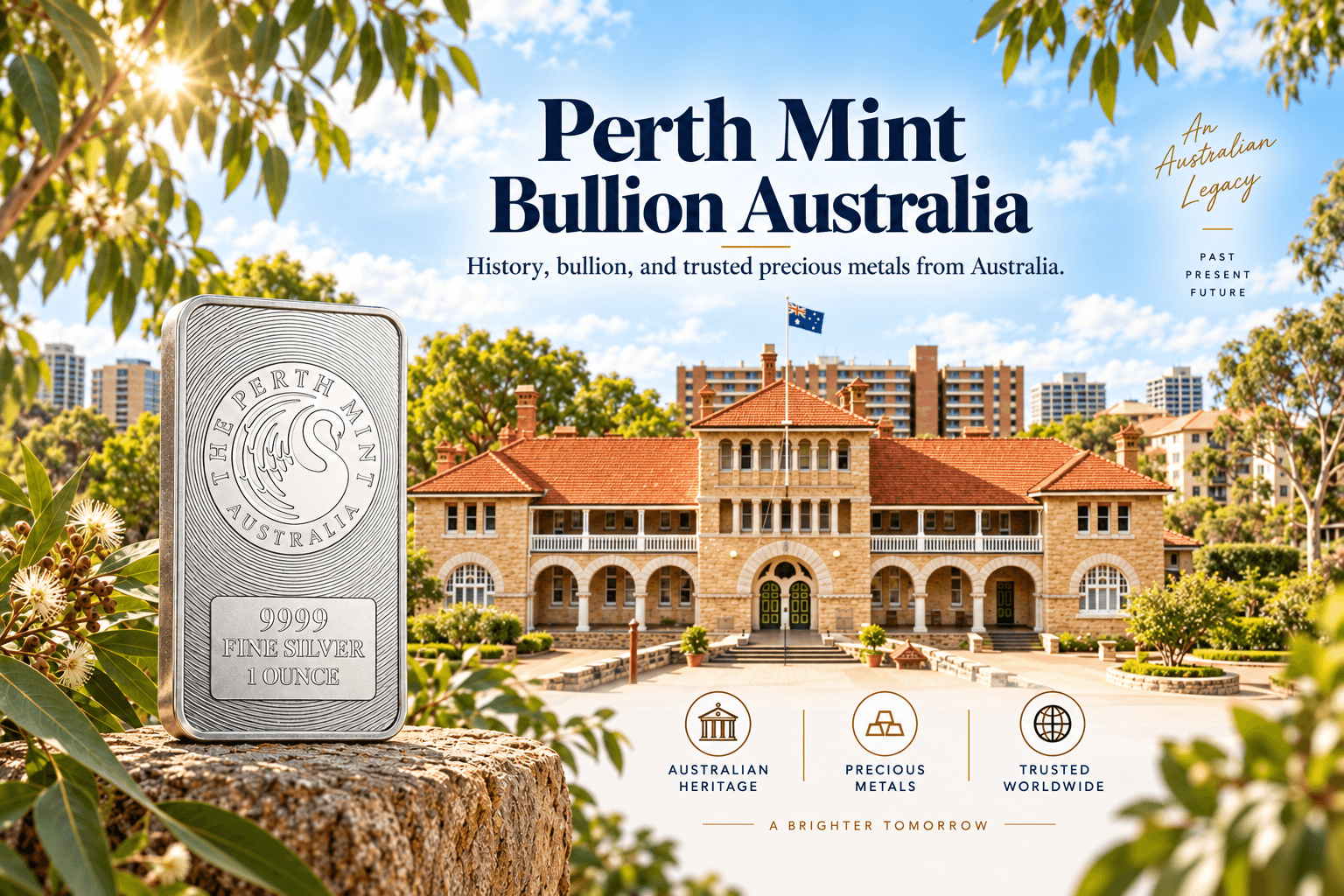
The Perth Mint, for example, differentiates between several product types and packaging formats in its program. Meanwhile, its depository program documents also show that not all products are sold in the same packaging; some products have serial numbers in certain sizes, while others are positioned without retail packaging.
In other words, bullion without a sealed assay card is not automatically suspicious. What matters more is whether the format is consistent with the product standard and its sales channel.
Why can packaging affect buyback?
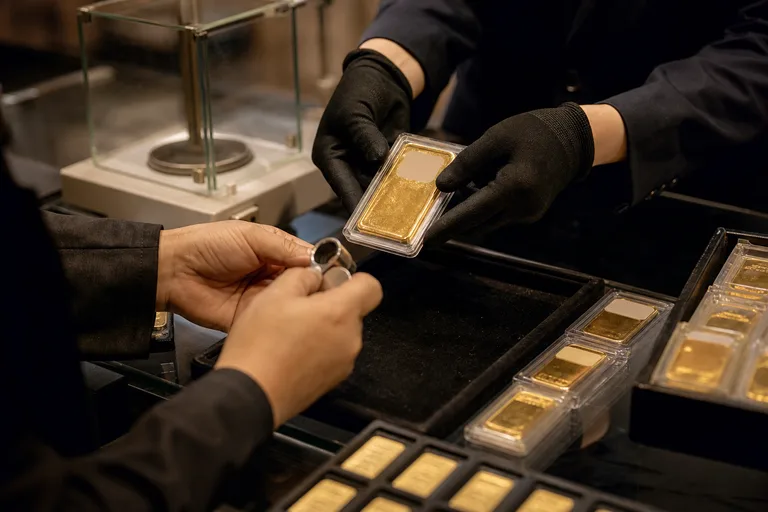
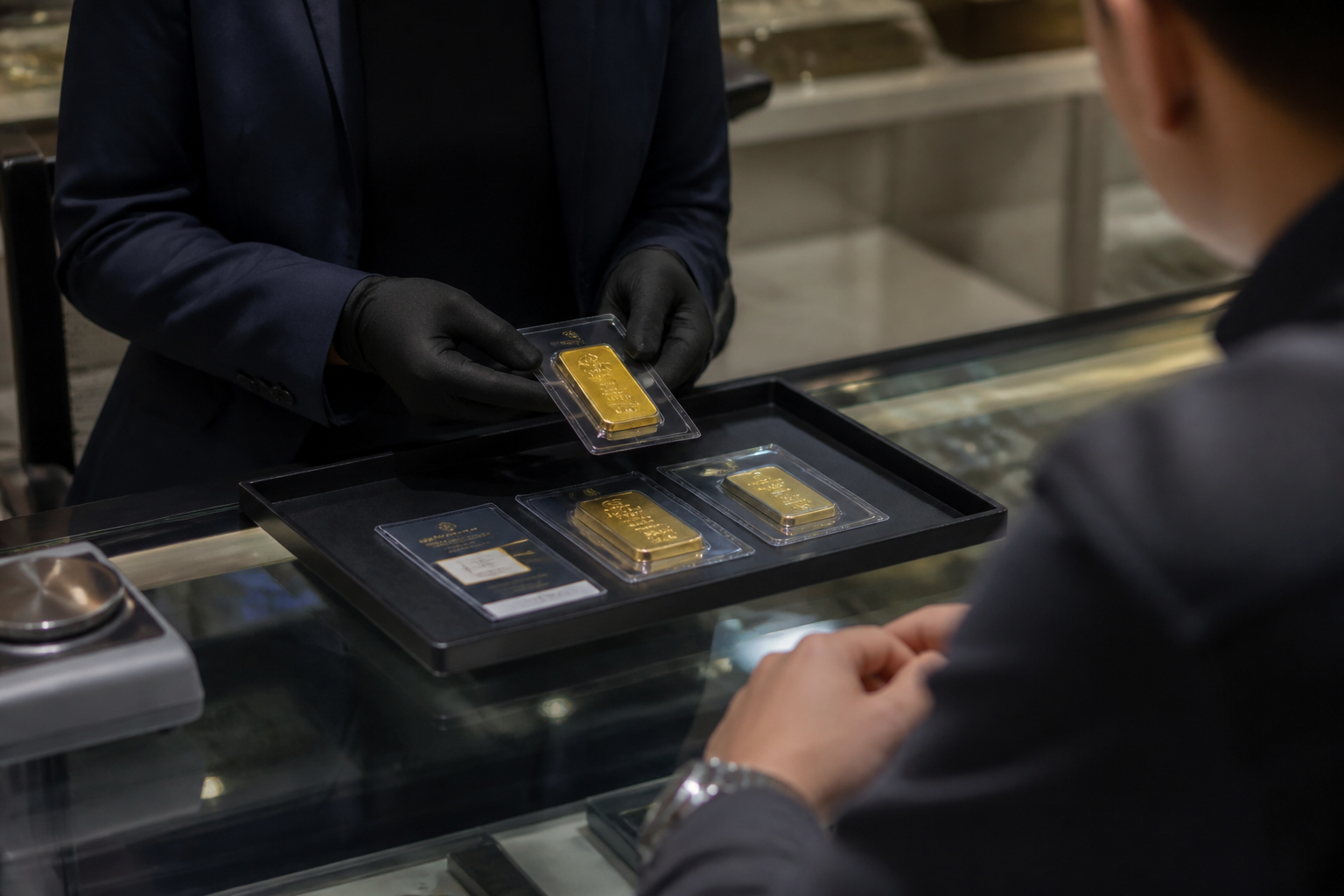
In many cases, packaging helps the buyback process because it makes it easier for the buyer to check the product’s identity and condition.
When a product still has complete packaging and certificate documentation, the verification process is usually simpler. The data on the packaging can be matched directly with the physical product. This can speed up inspection and reduce administrative uncertainty.
However, the effect still depends on the issuer’s or buyback counterparty’s policy. ANTAM Logam Mulia, for example, states that certain products with missing or damaged certificates may be subject to a deduction from the normal buyback price. This shows that, for certain products, the condition of the packaging or certificate can indeed affect resale value.
On the other hand, that does not mean all bullion without packaging is unsellable or automatically suffers a sharp drop in value. The determining factors remain a combination of:
- product authenticity,
- physical condition,
- completeness of identity documentation,
- and the buyback policy of the party accepting the product.
Is it always safe to open the packaging?
Not always.
Some bullion products are designed to remain sealed. The Royal Mint explains that security packaging containing a unique number on the bar functions as a certificate, and if the sealed packaging is opened, that certification may become invalid.
This means buyers need to understand from the outset:
- whether the product is designed to remain sealed,
- whether opening the packaging will affect its documentation,
- and what impact that may have on buyback.
If your goal is investment and potential resale, the decision to open the packaging should not be made without understanding the rules for that specific product.
How to assess bullion more wisely
Here are simple ways to evaluate bullion packaging without overestimating it or dismissing it:
- Look at the product type
- Coins, minted bars, cast bars, and depository products can have different packaging formats.
- Check the packaging function
- Is the packaging only for physical protection?
- Does it also function as a certificate or authentication tool?
- Match the serial number and product information
- If there is a serial number, make sure it is consistent between the bar and the packaging.
- Understand the buyback policy
- Each issuer or buyback counterparty may have different requirements for products whose packaging is damaged, missing, or opened.
- Do not automatically be suspicious of different formats
- Bullion without an assay card is not automatically fake.
- Bullion in a capsule is not automatically inferior.
- What matters is consistency with the product standard and the source of purchase.
Conclusion
Bullion packaging has an important function, but it remains a supporting tool, not the sole measure of authenticity or value. Assay cards, capsules, serial numbers, and authentication features such as CertiEye can help protect products, make verification easier, and support buyback for certain items.
However, packaging formats should not be generalized. Not all bullion uses a sealed assay card, and bullion without a particular type of packaging is not automatically problematic. For that reason, buyers should understand the product specifications, producer policies, and buyback requirements before deciding to buy, store, or open the packaging.
With that approach, you can assess bullion more calmly: not only by how it looks, but by its function, documentation, and consistency with the product’s standard.
References
- Logam Mulia ANTAM (2026). Angle: Kemasan bullion sebagai alat bantu verifikasi, bukan satu-satunya bukti keaslian. Mendukung pembahasan bahwa packaging berperan dalam autentikasi dan kenyamanan buyback, khususnya untuk pasar Indonesia, tetapi tidak perlu dibingkai sebagai penentu tunggal nilai bullion.
- The Perth Mint (2025). Angle: Tidak semua bullion resmi memakai format sealed assay card yang sama. Mencegah artikel membuat klaim berlebihan bahwa bullion tanpa sealed assay card otomatis mencurigakan; packaging harus dinilai sesuai tipe produk dan standar produsennya.
- PAMP (2026). Angle: Assay card dan serial number membantu mencocokkan identitas produk. Mendukung penjelasan bahwa serial number yang konsisten antara bar dan kemasan dapat memperkuat traceability dan kepercayaan pembeli, tetapi tetap harus diverifikasi sesuai prosedur produsen.
- The Royal Mint (2026). Angle: Membuka kemasan bisa membatalkan fungsi sertifikasi pada produk tertentu. Memberi contoh jelas bahwa kondisi kemasan dapat memengaruhi dokumentasi dan penerimaan produk tertentu, sehingga pembeli sebaiknya memahami aturan brand sebelum membuka kemasan.
- London Bullion Market Association (2026). Angle: Serial number juga penting dalam standar bullion institusional, bukan hanya kemasan retail. Menguatkan pesan bahwa identitas fisik pada bullion—seperti serial number, hallmark, fineness, dan assay mark—adalah bagian penting dari kepercayaan pasar, terpisah dari apakah produk memakai kemasan retail tersegel.