Why Are Gold Buying and Selling Prices Different? Understanding the Gold Spread Before Transacting in Bali
For many prospective gold buyers and sellers in Bali, one of the most common questions is: why is the price to buy gold higher than the price when selling it back?
This difference is known as the gold spread. The term is simple, but its impact on investment decisions can be significant. When you buy, you look at the selling price. When you sell back, you look at the buyback price. The gap between the two is something worth understanding from the start so expectations remain realistic.
For both beginner and experienced investors, understanding the spread helps answer important questions such as:
- When is the right time to buy gold?
- What affects the buyback price?
- Is Antam gold easier to sell back?
- How can you check the authenticity of gold and silver before a transaction?
- Why does product condition affect the resale price?
In a local market such as Bali, these questions are even more relevant because many people compare Bali gold prices, look for gold buyback in Bali, or want a safe transaction when buying and selling gold in Bali.
What is the gold spread?
The gold spread is the difference between the purchase price and the resale price. If you buy gold at a certain price and later sell it back to the same place or elsewhere, there is almost always a price difference.
This difference does not mean the price is unfair. In essence, the spread includes various costs and risks, such as:
- production and refining costs,
- distribution and logistics,
- business margin,
- market price fluctuations,
- product condition when sold back,
- each provider’s buyback policy.
For buyers, the spread is an initial cost that needs to be “covered” by future price increases. For sellers, the spread explains why the resale value is not the same as the original purchase price.
Why are the selling price and buyback price different?
In simple terms, there are three main layers:
1. Market prices move constantly
Physical gold and silver prices follow global market dynamics. When benchmark prices rise, selling prices may also increase. When the market falls, buyback values can adjust as well.
2. There are costs behind physical products
Physical gold and physical silver are not merely raw metals. They involve refining, minting, packaging, certification, storage, and distribution. All of these shape the initial selling price.
3. Buyback takes product-condition risk into account
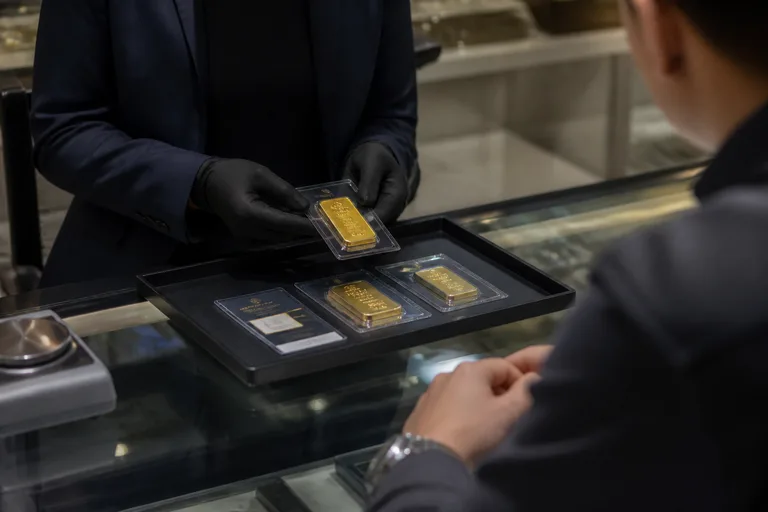
Products that are complete, with intact seals, clear certificates, and easy verification, are usually easier to accept for buyback. By contrast, products that are scratched, incomplete, or difficult to verify may be subject to price adjustments.
Factors that influence the gold spread in Bali
When comparing options for buying and selling gold in Bali, do not look only at today’s numbers. Pay attention to the following factors:
1. Product type
Antam gold, gold bars from certain refineries, silver bars, or bullion coins can each have different levels of liquidity. Widely recognized products are generally easier to sell back.
2. Weight and denomination
Smaller sizes usually have a larger spread in percentage terms than larger sizes. This is because fixed costs such as production and distribution are spread across a smaller nominal value.
3. Physical condition of the product
Products that remain neat, with secure seals, clear serial numbers, and complete certificates tend to be preferred during buyback.
4. Producer reputation
Quality standards and market acceptance affect how easily a product can be resold. In the bullion ecosystem, a producer’s reputation is very important for liquidity.
5. Transaction venue policy
Each place may have a different buyback pricing policy. That is why it is normal for one venue’s buying and selling prices not to be exactly the same as another’s.
Why is Antam gold often used as a reference?
In Indonesia, Antam gold is often used as a benchmark because it is widely recognized and comes with official certification. For many buyers in Bali, gold bars that are easy to identify make the buying and resale process simpler.
However, it is important to understand that:
- a popular product is not always the cheapest to buy,
- the buyback price still depends on policy and product condition,
- certificates and authenticity have a major impact on transaction value.
If you are looking for Antam gold in Bali, make sure you understand whether the product is still sealed, how its authenticity is checked, and how the buyback procedure works.
What should you understand before selling gold?
Before a gold selling transaction in Bali or a gold buyback in Bali, check the following:
1. The day’s buyback price
Do not rely on old prices. Buyback prices can change in line with the market.
2. The physical condition of the gold
Check the packaging, seal, certificate, and serial number. Products that are intact are usually easier to process.
3. A clear transaction venue
Choose a place that provides transparent explanations about how products are assessed.
4. Verification method
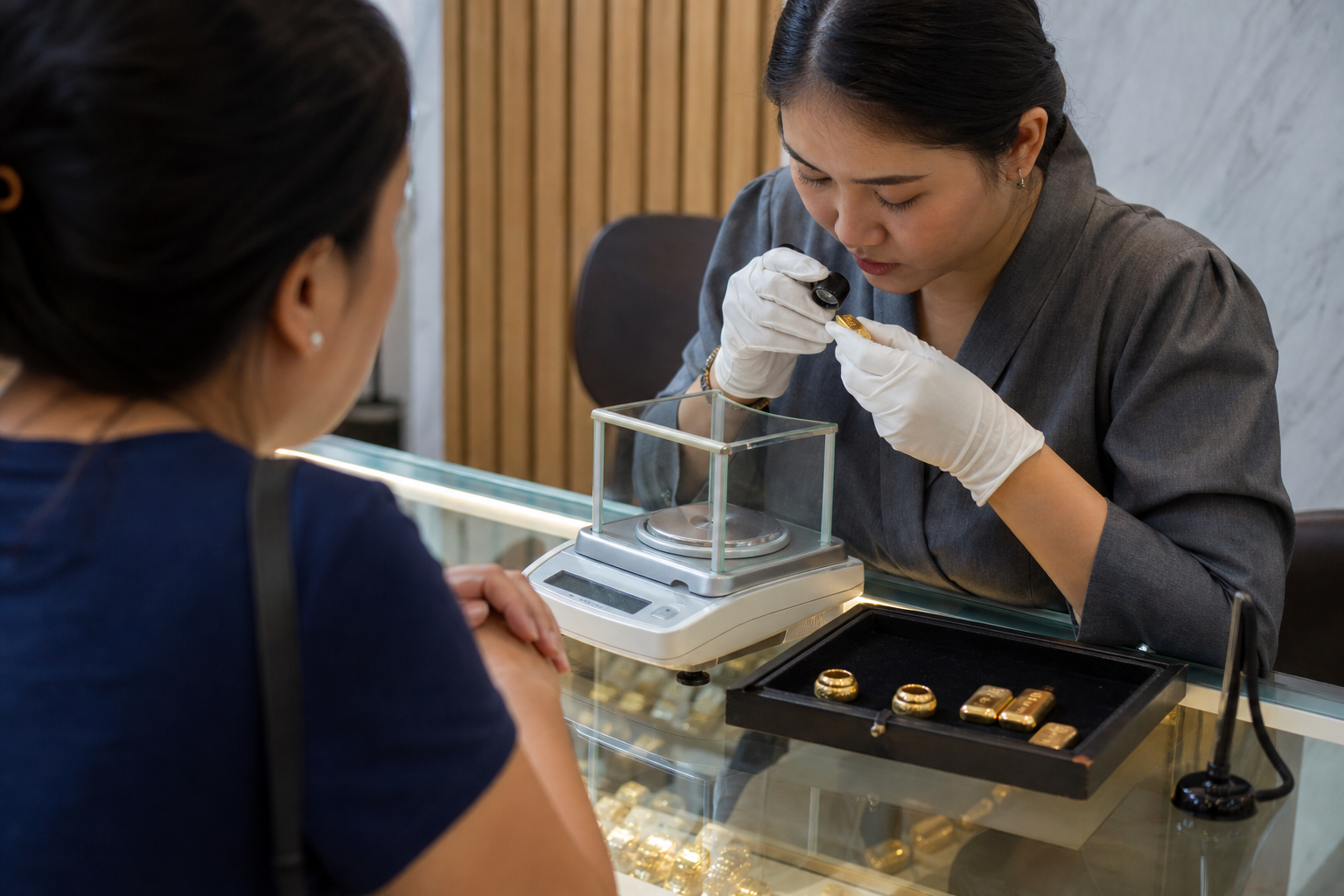
Ask how authenticity is checked. For physical gold and silver, proper verification is important for a safe transaction.
5. Fees or price differences
Ask from the outset whether any factors may affect the final price, such as product condition or item category.
How to verify the authenticity of gold and silver
One of the main concerns for buyers is the fear of receiving a counterfeit or mismatched product. For that reason, authenticity verification should be part of the transaction process.
Some common approaches include:
- checking the packaging and certificate,
- verifying the serial number,
- basic physical testing,
- specialized testing equipment that does not damage the product.
For gold and silver bars, non-destructive verification is very helpful because the product remains safe without needing to be opened or damaged. In the context of a physical bullion dealer in Bali, this kind of service can help buyers feel more confident before transacting.
Where relevant, Elzan Gold can be mentioned as a physical bullion dealer in Bali that provides gold and silver buying and selling services, buyback, and product authenticity verification using non-destructive testing equipment.
How to store gold so it does not reduce resale value
Many people focus on the purchase price but forget that storage affects buyback value.
To help maintain resale value:
- store gold in a dry and secure place,
- avoid excessive humidity,
- do not open the seal unless necessary,
- keep certificates and proof of purchase,
- separate it from objects that could scratch or damage the packaging.
For physical gold and physical silver, well-maintained physical condition often helps make the resale process smoother.
Physical gold vs other investment instruments: what is the difference?
Many prospective investors in Bali compare precious metals investment with other instruments such as gold savings, deposits, or financial market instruments.
The comparison is simple:
- Physical gold: there is a tangible item, it can be stored personally, but it requires attention to storage and authenticity.
- Gold savings: practical for accumulating small nominal amounts, but you do not directly hold the physical metal.
- Other instruments: may be more liquid or offer different returns, but their risk profiles are also different.
There is no single answer that fits everyone. The best choice depends on your goals, time horizon, and preference for physical ownership.
Does physical silver also have a spread?
Yes. Physical silver also has a spread, and it can often feel larger in percentage terms than gold because of market characteristics and logistics costs.
For investors considering silver in Bali or silver bullion, it is important to understand that:
- silver prices move with the market,
- product form affects liquidity,
- producer reputation and authenticity verification remain important,
- storage costs may feel more significant because its physical volume is usually larger than gold.
Common questions from prospective buyers and sellers in Bali
“If gold prices rise, why am I not necessarily making a large profit?”
Because you also need to account for the spread. The price increase must be large enough to cover the difference between the purchase price and the buyback price.
“Why is the buyback price lower?”
Because the buyback price already takes into account costs, risks, and the transaction venue’s policy.
“Can all gold be bought back?”
Not always. Buyback convenience depends on product type, physical condition, document completeness, and the policy of the party accepting the buyback.
“Which is safer: physical gold or gold savings?”
It depends on your needs. Physical gold gives direct ownership, while digital options are more practical. Both have advantages and disadvantages.
“How do I know if gold is genuine?”
Check the certificate, serial number, and packaging condition, and use appropriate verification. For physical products, non-destructive testing is preferred because it does not damage the item.
A short checklist before a gold transaction in Bali
Before buying or selling, make sure you have checked:
- today’s selling price and buyback price,
- the product’s physical condition,
- certificate completeness,
- the reputation of the seller or buyer,
- the authenticity verification method,
- any fees or spreads that may apply,
- how the product will be stored after the transaction.
Conclusion
The difference between the purchase price and the selling price of gold is normal. This difference is known as the gold spread and is influenced by production costs, distribution, margins, product condition, and buyback policy.
For anyone searching for Bali gold prices, looking to buy gold in Bali, or planning to sell gold in Bali, understanding the spread is a basic step toward making more rational decisions and avoiding surprise when seeing the buyback price.
If you want to focus on physical bullion transactions, whether gold or silver, make sure you check authenticity, store the product properly, and understand the buying and selling policy before the transaction takes place.
With sufficient knowledge, you can compare products, assess resale value, and choose a more appropriate time to transact.
References
- Logam Mulia ANTAM (2026). FAQ resmi Logam Mulia ANTAM menjelaskan mekanisme buyback dan acuan harga buyback. Mendukung ide artikel edukatif seperti 'Cara Jual Emas Antam di Bali: Pahami Harga Buyback, Spread, dan Kondisi Produk' atau 'Kenapa Harga Buyback Emas Lebih Rendah dari Harga Jual?'
- PT Aneka Tambang Tbk (2024). ANTAM menjamin keaslian dan kemurnian produk emas Logam Mulia serta menyebut sertifikat resmi dan akreditasi LBMA. Mendukung ide artikel seperti 'Cara Cek Keaslian Emas Antam Sebelum Beli di Bali' dan 'Checklist Membeli Emas Batangan: Sertifikat, Kemasan, Nomor Seri, dan Pengujian'.
- London Bullion Market Association (2026). LBMA Good Delivery menjelaskan standar global untuk kualitas emas dan perak batangan. Mendukung angle seperti 'Apa Itu Bullion dan Kenapa Standar LBMA Penting?' atau 'Emas Antam, Perak Batangan, dan Brand Bullion: Mana yang Lebih Mudah Dijual Kembali?'
- Sigma Metalytics (2026). Sigma Metalytics menjelaskan alat Precious Metal Verifier untuk pengujian logam mulia secara non-destruktif. Mendukung ide artikel seperti 'Cara Mengecek Keaslian Emas dan Perak Tanpa Merusak Produk' serta 'Apa Bedanya Tes Timbang, Magnet, XRF, dan Verifier Non-Destruktif?'
- PT Pegadaian (2026). Pegadaian menjelaskan produk Tabungan Emas, pembelian mulai nominal kecil, dan layanan emas yang diawasi OJK. Mendukung artikel perbandingan seperti 'Emas Fisik vs Tabungan Emas: Mana yang Cocok untuk Investor di Bali?' atau 'Beli Emas Batangan Langsung atau Digital: Kelebihan, Kekurangan, dan Biaya'.
- Kementerian Koordinator Bidang Perekonomian Republik Indonesia (2026). Pemerintah Indonesia meluncurkan roadmap pengembangan bullion dan mencatat penguatan ekosistem emas nasional. Mendukung artikel bertema lebih luas seperti 'Apa Itu Bullion dan Mengapa Investor di Bali Mulai Melirik Emas serta Perak Fisik?'